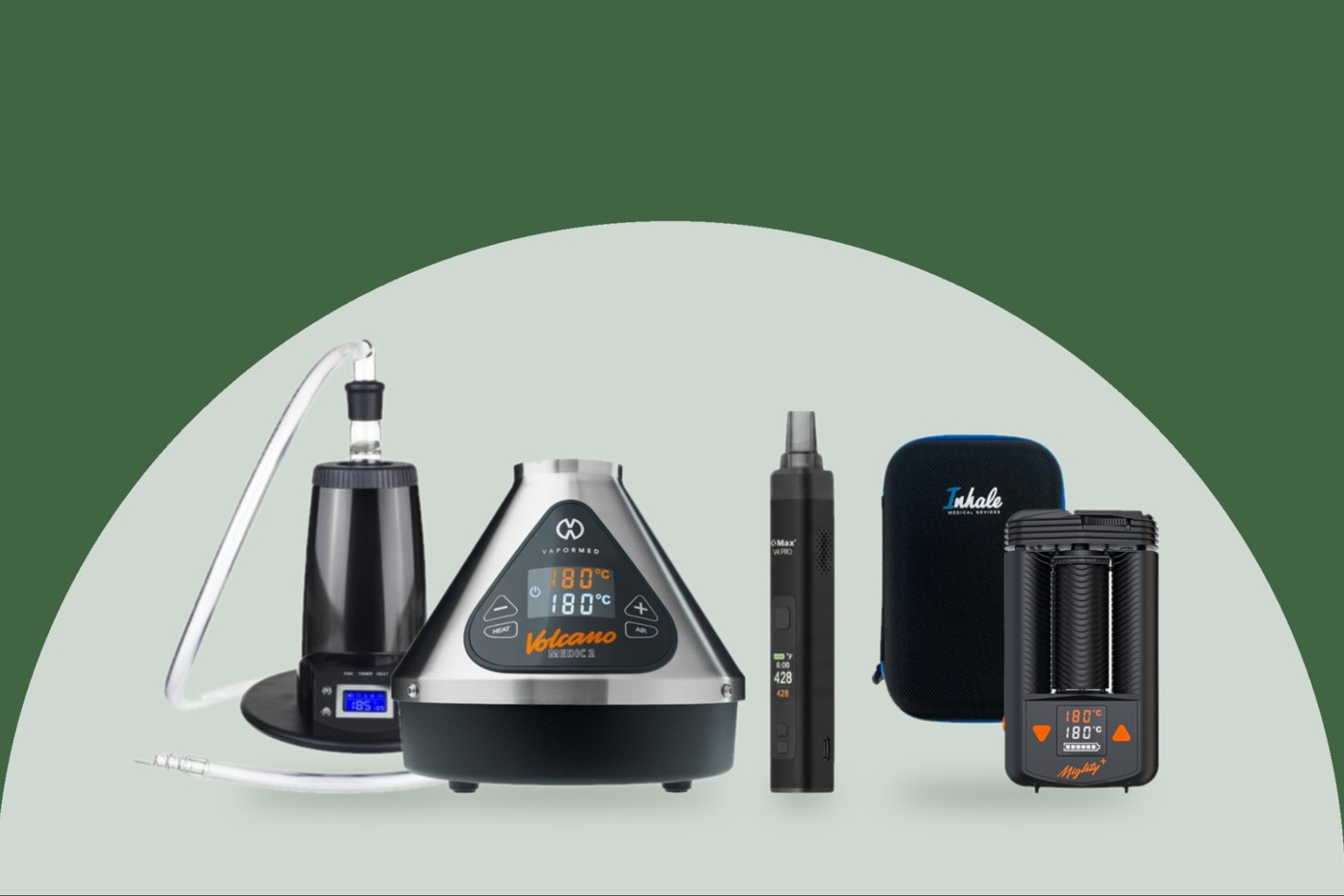
What Is a Dry Herb Vaporiser? A Plain-English Guide
A dry herb vaporiser is an electronic device that heats dried plant material to a controlled temperature, below the point where it would burn. Instead of smoke, the heat releases a vapour that is drawn through a mouthpiece. There is no flame, no ash and no combustion.
This guide explains how a dry herb vaporiser works, the main heating methods and device styles, and what to look for if you are comparing options. If you have been prescribed a natural medicine in dried flower form, it also covers how vaporisers fit into that picture in Australia.
What is a dry herb vaporiser?
The name describes what the device does. “Dry herb” refers to ground, dried plant material, as opposed to oils, liquids or concentrates. “Vaporiser” refers to the process: heating that material until its compounds turn into vapour, without setting it alight.
Dry herb vaporisers range from small handheld units that run on a rechargeable battery to larger desktop units that plug into the wall. They all share the same basic job: to apply steady, controlled heat to the material in a chamber, then deliver the resulting vapour to the user.
A dry herb vaporiser is a different device from a nicotine vape or e-cigarette. It does not use e-liquid, and it is designed to heat dried plant material only.
How does a dry herb vaporiser work?
Most dry herb vaporisers are made up of the same core parts:
- Power source: a rechargeable battery in portable devices, or mains power in desktop units.
- Heating element: converts power into heat and controls the temperature.
- Chamber (or oven): holds the ground material. Chambers are commonly made of stainless steel or ceramic.
- Vapour path: the airway the vapour travels through, often lined with glass, ceramic or stainless steel.
- Mouthpiece: where the vapour is drawn from.
- Controls: buttons or a display used to switch the device on and set the temperature.
When the device is switched on, the heating element brings the chamber up to the selected temperature. The material in the chamber heats gently, releasing its active compounds and aromas as vapour. Drawing on the mouthpiece pulls air through the chamber and carries that vapour along the vapour path.
Temperature control is one of the main differences between devices. Some have a few preset levels, while others let you set the temperature in single degrees. The XMAX V3 Pro, for example, can be set anywhere from 100°C to 220°C. Always follow the instructions for your specific device and any directions from your prescriber or pharmacist.
Conduction, convection and hybrid heating
The way a vaporiser transfers heat to the material affects how evenly it heats, how quickly it is ready and how it is used.
| Heating method | How it works | What to expect |
|---|---|---|
| Conduction | The material touches a heated surface, much like food in a frying pan. | Usually fast to heat up and simple to use. Heating can be less even, so some devices suggest stirring the chamber partway through. |
| Convection | Heated air passes through the material, more like a fan-forced oven. | More even heating and no direct contact with a hot surface. Often slower to heat and can use more battery. |
| Hybrid | Combines both: the chamber is warmed by contact while heated air passes through. | Aims to balance heat-up speed with even heating. Common in many current portable devices. |
None of these methods is “best” for everyone. Each involves trade-offs between speed, consistency, battery life and price.
Portable vs desktop dry herb vaporisers
Dry herb vaporisers come in two main styles.
Portable vaporisers
Portable vaporisers are handheld and battery-powered. They range from slim, pen-style units to larger handheld devices. They suit people who want a device they can keep close by or use in different places, with the trade-off of a smaller chamber and the need to recharge.
Desktop vaporisers
Desktop vaporisers are larger units designed to stay in one place and run on mains power. They are a fit for people who prefer a dedicated home setup. Some, like the Volcano Medic 2, deliver vapour through a tube or a balloon instead of a mouthpiece attached to the device.
Dry herb vaporisers and prescribed natural medicines in Australia
In Australia, these natural medicines are only available on prescription. Patients who have been prescribed a dried flower product by a doctor may use a dry herb vaporiser to administer it, following their prescriber’s directions.
A small number of vaporisers have been approved by the Therapeutic Goods Administration (TGA) as medical devices. CannaDash stocks TGA-approved vaporisers, including the Mighty+ Medic (a handheld device), the Volcano Medic 2 (a desktop device) and the Grenco Medical Elite II.
If you have a prescription, you can submit it through the CannaDash Online Dispensary. Our team can also help you check whether a device suits your prescribed product before you order.
What to look for in a dry herb vaporiser
If you are comparing devices, these are the practical features worth checking:
- Materials in the vapour path: stainless steel, ceramic and glass are widely used because they handle heat well and do not add flavours of their own.
- Temperature control: check whether the device uses preset levels or precise settings, and whether the range suits your prescribed product.
- Heating method: conduction, convection or hybrid, depending on the balance of speed and evenness you prefer.
- Ease of cleaning: regular cleaning helps keep a vaporiser working as it should, so removable parts and easy access to the chamber make a real difference.
- Replaceable parts: screens, seals, mouthpieces and, in some devices, batteries can be replaced individually instead of replacing the whole device.
- Battery and charging: for portable devices, consider battery life, charging time and whether the battery can be swapped.
- Accessories: some devices work with dosing capsules, which hold pre-filled material and keep the chamber cleaner between uses.
You can browse replacement parts, dosing capsules and cleaning tools in our vaporiser accessories and parts range.
Frequently asked questions
Is a dry herb vaporiser the same as a vape pen?
Not usually. “Vape pen” often refers to devices that heat liquids or oil cartridges, such as 510 thread batteries. A dry herb vaporiser is designed for ground, dried plant material.
What is the difference between a dry herb vaporiser and a concentrate vaporiser?
A dry herb vaporiser heats dried plant material. A concentrate vaporiser is built to heat concentrated extracts, which need a different chamber design and temperature range. Some devices can do both with an adapter.
Can I use any vaporiser with my prescribed product?
Not necessarily. The right device depends on the form of your prescribed product and your prescriber’s directions. If you are unsure, speak to your prescriber or pharmacist, or contact our team with the details of your prescription.
Do I need to grind the material first?
Most dry herb vaporisers work best with material that has been ground to a consistent texture, as it heats more evenly and allows air to flow through the chamber. Check your device’s manual for its recommended grind.
Explore dry herb vaporisers
Understanding how a dry herb vaporiser works makes it easier to compare devices with confidence. You can browse our full range of dry herb vaporisers, including portable and desktop options, with Australia-wide delivery.